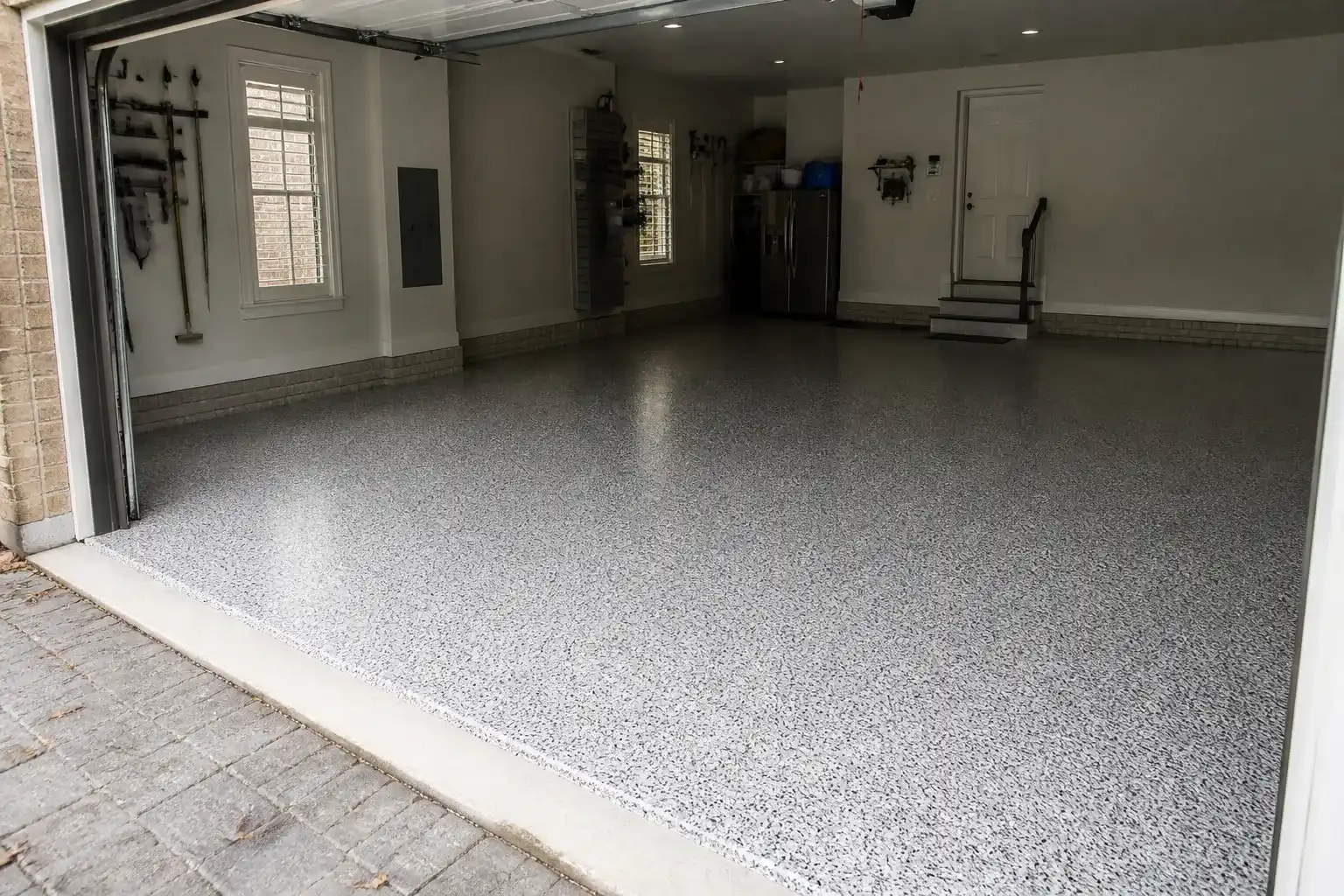
Alpharetta Floor Coating installs garage, concrete and industrial floor coatings for homeowners and businesses across Alpharetta, GA. Hot tire pickup is the term used when a coating lifts or pulls away where warm vehicle tires regularly rest. It is frustrating, but it is not simply a tire problem. The condition of the concrete, the quality of preparation, the material system, cure time, and regular garage use all play a role.
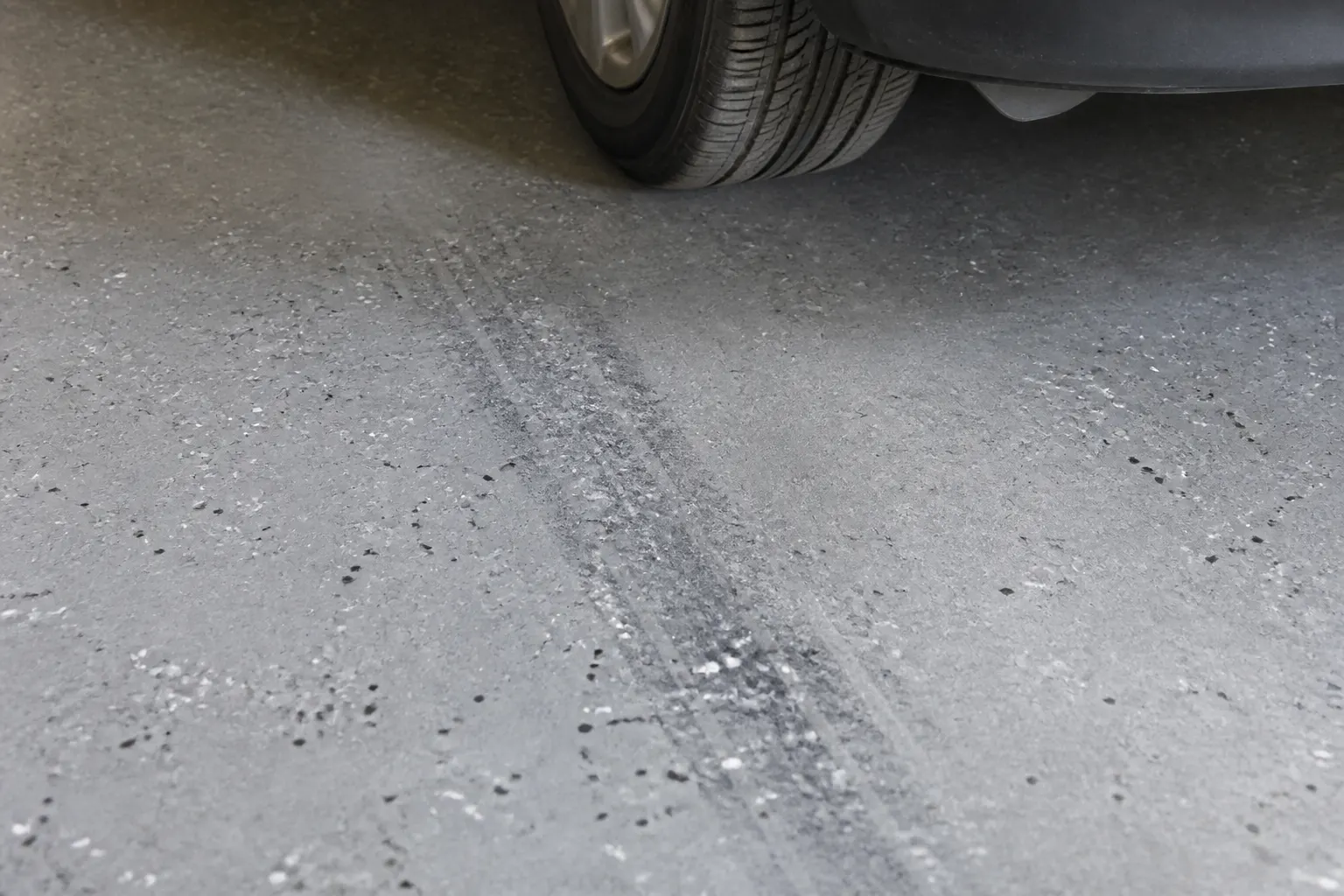
What is happening at the tire contact point
After driving, tires can be warm and may carry moisture, road residue, or plasticizing compounds. When a coating has a weak bond to the concrete, the concentrated stress at the tire contact patch can expose that weakness. The coating may soften, release, or lift in a localized area. That is why prevention begins long before a car is parked in the garage.
Surface preparation is essential
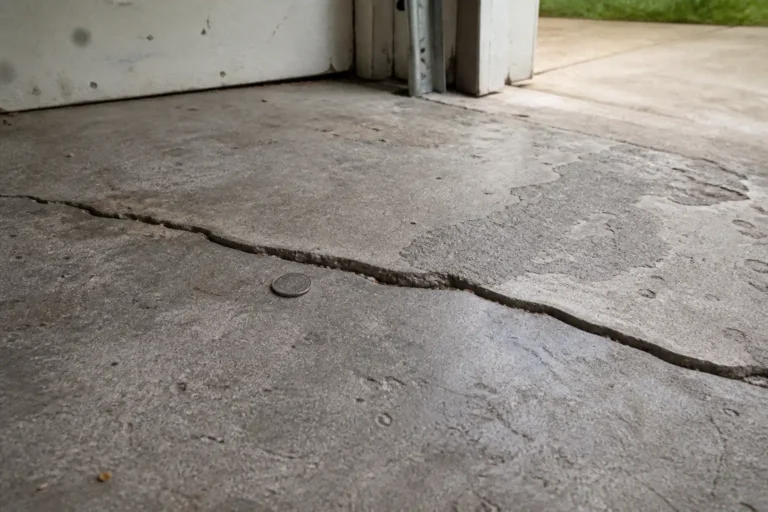
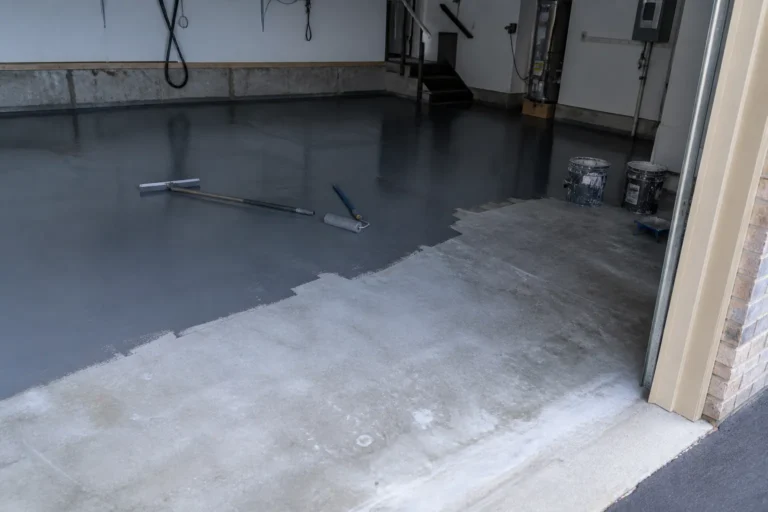
Concrete needs to be cleaned, assessed, and profiled so the coating can bond to a suitable surface. Oil stains, old paint, dust, weak concrete, and contaminants can all interfere with adhesion. Mechanical preparation is commonly used to create the required profile and remove problematic surface material. Applying a coating over a floor that only looks clean is not the same as preparing it for a long-term bond.
Moisture can also affect adhesion
Concrete can transmit moisture even when it appears dry. Excess moisture may contribute to adhesion problems beneath a coating. In Georgia, changing humidity and seasonal conditions make it worth evaluating the slab rather than making assumptions. Testing and product selection should follow the requirements of the specific system being installed. Active water issues should be corrected before coating work begins.
Respect the cure period
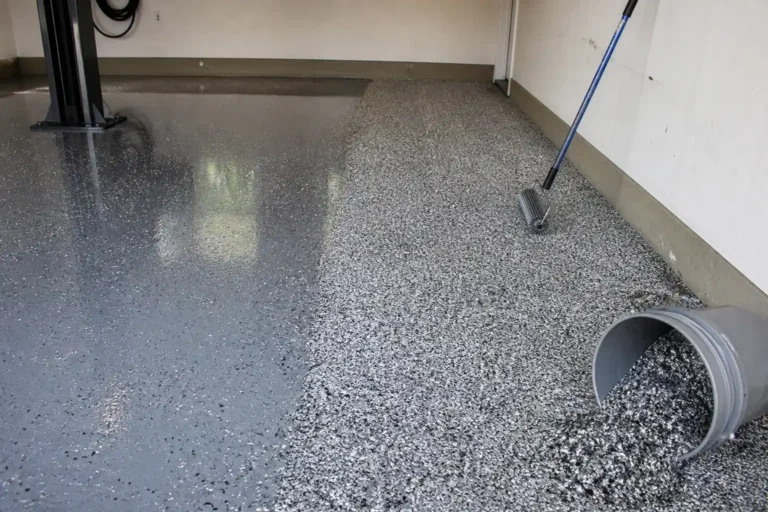
Every coating system has a cure schedule. Returning vehicles, floor jacks, heavy shelving, or stored equipment too early can affect the finish before it has developed the intended properties. Follow the installer’s guidance exactly. A floor that feels dry to the touch is not necessarily ready for full vehicle traffic. Planning for temporary parking is a simple way to protect the work.
Use good garage habits
Wipe up fluid spills, sweep away abrasive grit, and use cleaning products recommended for the coating. Avoid dragging sharp metal equipment across the floor. If a chip or lifted area appears, have it evaluated early rather than letting repeated traffic enlarge it. Prompt attention can help preserve the surrounding finish.
Alpharetta Floor Coating can assess your garage concrete and recommend a vehicle-ready coating system built around proper preparation and realistic use.
Summer heat and tires
Hot weather makes tires hotter, and parking right after a drive puts that heat into a small area of the floor. If the coating has not bonded well, it can lift. Alpharetta’s warm months are when you are most likely to see it.
Habits that help
- Let the garage floor cure fully before you park on it.
- Wipe up oil and fluid drips quickly.
- Keep the floor clean of grit.
- Check the tire zones for early lifting.
Ask about the system
Ask your installer how the system is designed for tire contact and which topcoat they recommend. A plan made for daily parking is more likely to hold up than a standard coat chosen only for looks.
What to do if it already happened
Small bumps or lifting in the tire zones need an assessment. The coating may need to be removed in those areas, the slab prepared again, and the system rebuilt. Pressing it down or painting over it rarely works. Ask a professional to find the cause, such as weak prep, moisture, or a floor that was driven on too soon, and fix that.
Look at how you park
If you pull in and park the same way every day, the same two spots take the heat each time. Tell your installer about your routine so they can plan the system for those spots.
Check the floor often in summer
Look at the tire zones every few weeks during the warm months. Early lifting is easier to fix than a large failure. Take a photo if you see anything and call your installer.
Do not ignore small bumps
Small bumps in the tire zones can grow. A quick visit can tell you whether the issue is a bonding problem, moisture, or a floor that was driven on too soon.