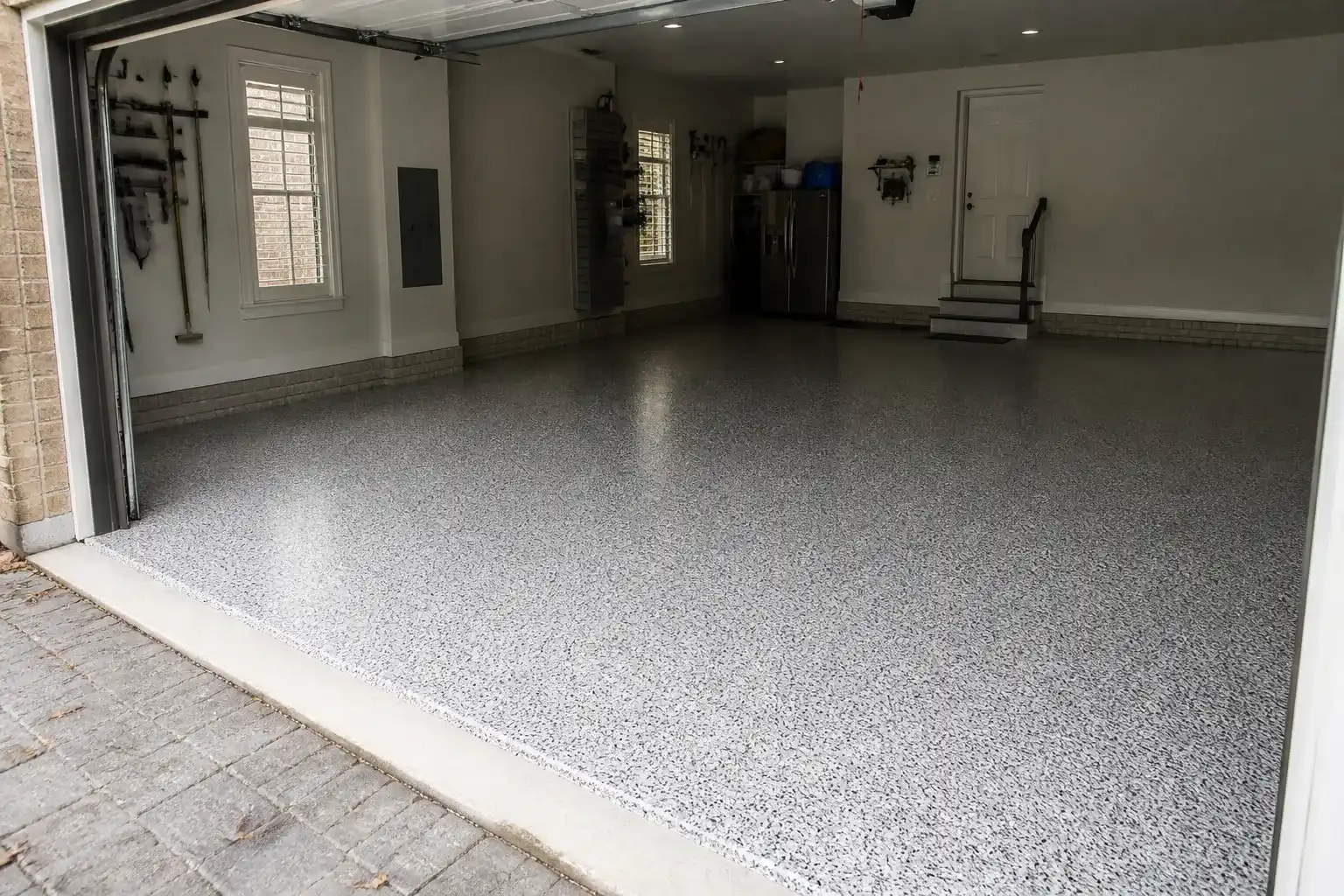
Alpharetta Floor Coating installs garage, concrete and industrial floor coatings for homeowners and businesses across Alpharetta, GA. Georgia humidity is one reason a concrete floor deserves careful evaluation before coating. Concrete can hold and transmit moisture even when its surface looks dry. That moisture can influence coating adhesion, so an installation plan should account for the slab as well as the weather conditions on the day of application.
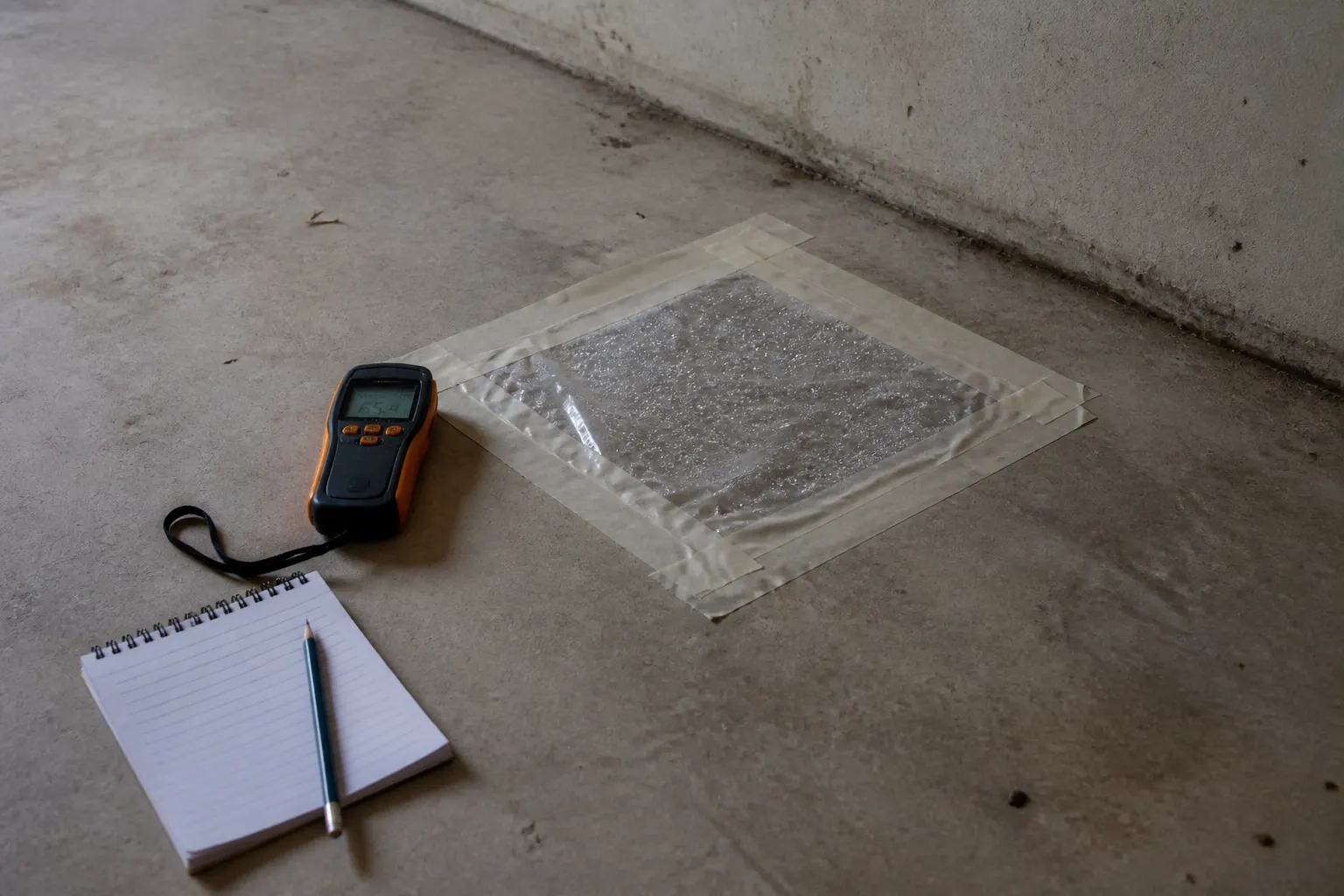
Concrete is porous
Concrete is not a waterproof material. Moisture can move through it as vapor, enter from below, or remain after a past water event. A floor may look normal in the morning and show dampness or discoloration later as conditions change. Basements, garage slabs, patios, and other areas have different exposure patterns, so visual inspection is only one part of the assessment.
Why moisture testing matters
Excess moisture can interfere with the bond between concrete and a coating system. Depending on the product and conditions, it may contribute to bubbling, peeling, discoloration, or areas that release from the slab. A moisture test is not a promise that every future condition is predictable. It is a practical way to understand current slab conditions and determine whether the proposed system is appropriate.
Humidity is only one factor
Outdoor humidity, air temperature, concrete temperature, ventilation, and recent rain can all affect installation conditions. The slab can also be colder or warmer than the surrounding air. Professional installers check the product requirements and plan work around conditions rather than assuming that a dry-looking day means the concrete is ready. Proper timing protects both the installation process and the long-term finish.
Signs that deserve attention
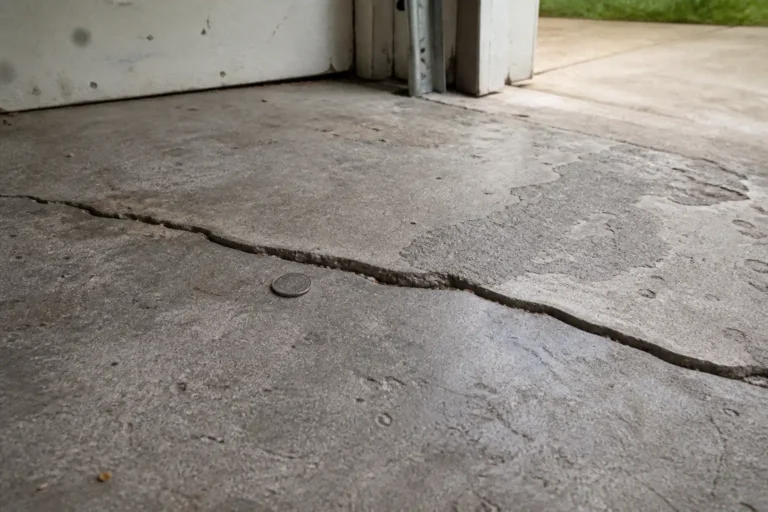
Efflorescence, dark patches, peeling paint, musty odors, damp edges, and recurring surface changes may point to moisture-related concerns. They can also have other causes, including drainage or plumbing issues. Active water entry should be addressed before a coating is installed. A coating can protect and improve a sound surface, but it is not a replacement for correcting an ongoing source of water.
Preparation follows the evaluation
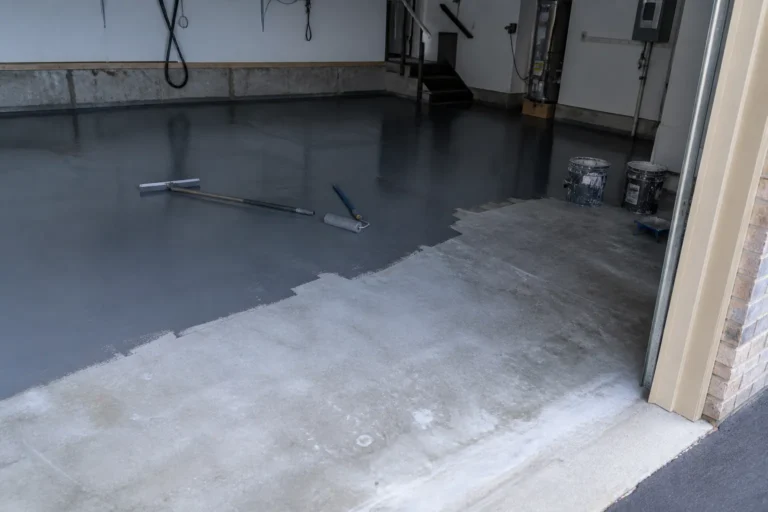
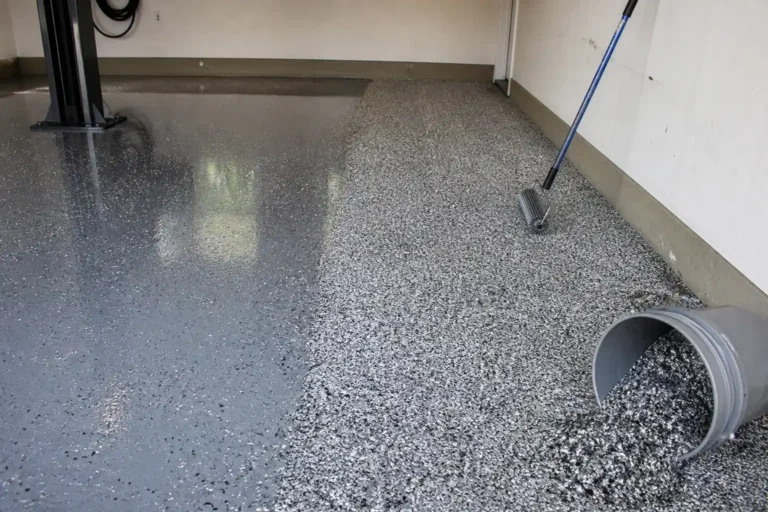
After the slab has been assessed, the installer can determine the next steps. Mechanical preparation removes contaminants and weak surface material. Repairs may be needed for cracks or damaged areas. The selected coating should then be applied according to its moisture tolerance and installation instructions. This sequence helps avoid treating every concrete floor as though it has identical needs.
For an Alpharetta garage, basement, workshop, or patio, Alpharetta Floor Coating can assess the concrete and explain why moisture testing may be part of a responsible coating plan.
Georgia’s wet climate in numbers
Alpharetta has a humid subtropical climate. It averages about 51 inches of rain a year, with measurable rain on roughly 100 days. Summer highs average around 87 degrees. That mix of warmth and moisture means concrete often holds more water than it appears to. A slab that looks dry can still push moisture up through the surface.
Simple ways to lower moisture risk
- Keep gutters clean and downspouts pointed away from the garage slab.
- Check that soil near the garage slopes away from the slab.
- Fix leaks from irrigation lines, hose bibs, or plumbing.
- Do not store wet items directly on the floor for long periods.
These steps do not replace testing, but they help keep the slab drier and give a coating a better chance to bond.
What your installer needs to know
You may not know how your slab was built. Many owners do not know whether a vapor barrier sits under the concrete or what shape it is in. That is fine. Tell your installer what you do know, such as the age of the home, any past leaks, and where water collects after rain. This history helps them pick the right tests.
Moisture-tolerant systems
If a slab has some moisture, certain primers and systems are made to handle it. Ask whether one fits your floor and what limits apply. Do not accept a quick assurance. A good installer can explain the reading, the product limit, and the plan.
Keep records of your tests
Ask for moisture test results in writing and keep them with your home papers. If a problem shows up later, those numbers show what the slab was like before the work began.