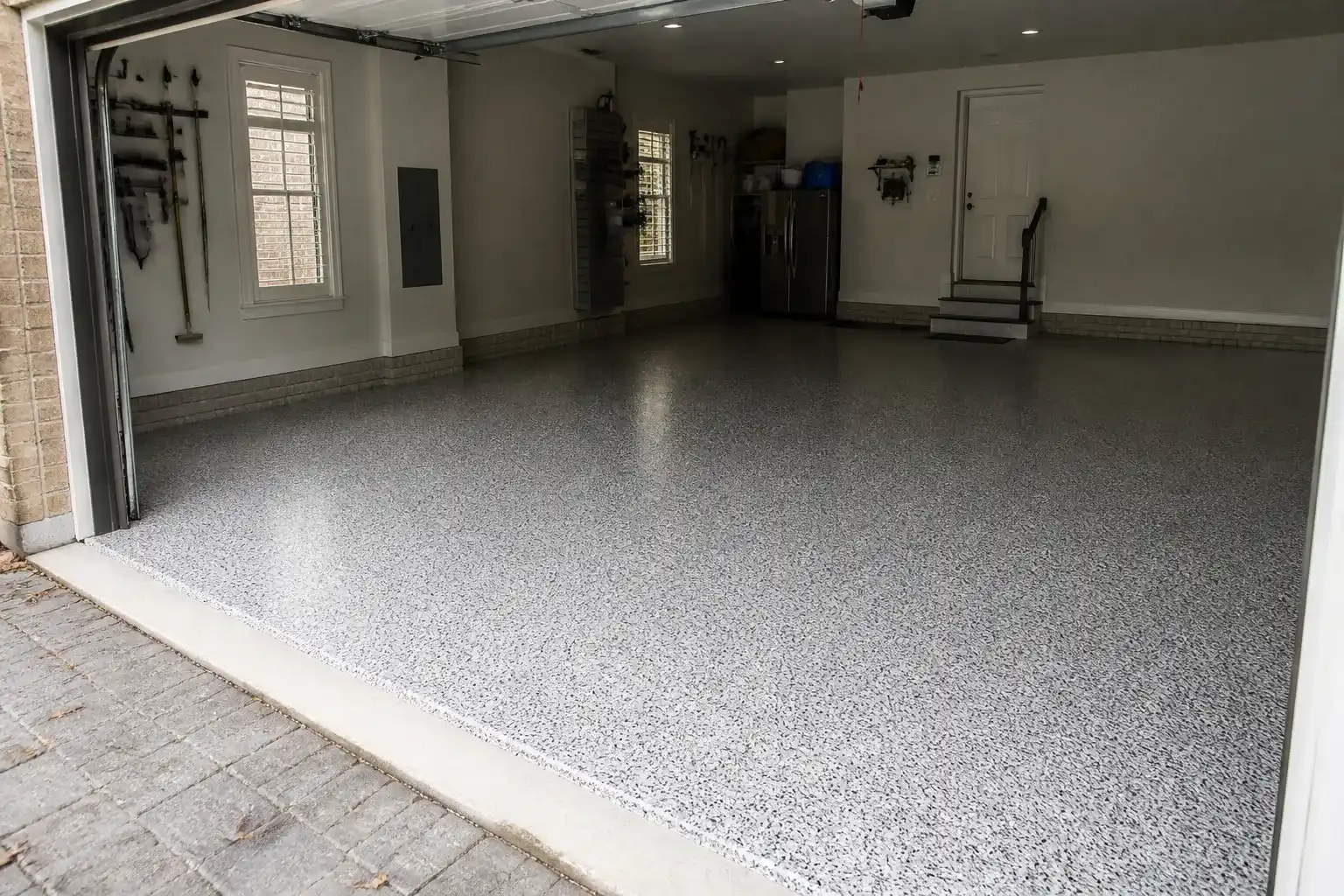
Alpharetta Floor Coating installs garage, concrete and industrial floor coatings for homeowners and businesses across Alpharetta, GA. Polyurea floor coatings are a high-performance option for homeowners and businesses that want a durable, seamless concrete finish. They are frequently used in garages, workshops, commercial spaces, and other areas where the floor sees regular wear.
Why polyurea is popular
Polyurea is known for flexibility, impact resistance, and fast curing. Its chemistry can allow it to handle normal slab movement better than more rigid finishes. Many systems are also designed to resist stains, chemicals, abrasion, and hot-tire pickup.
Common applications
- Residential garages and workshops
- Basements and utility rooms
- Commercial back-of-house areas
- Retail, storage, and light industrial spaces
What the installation process involves
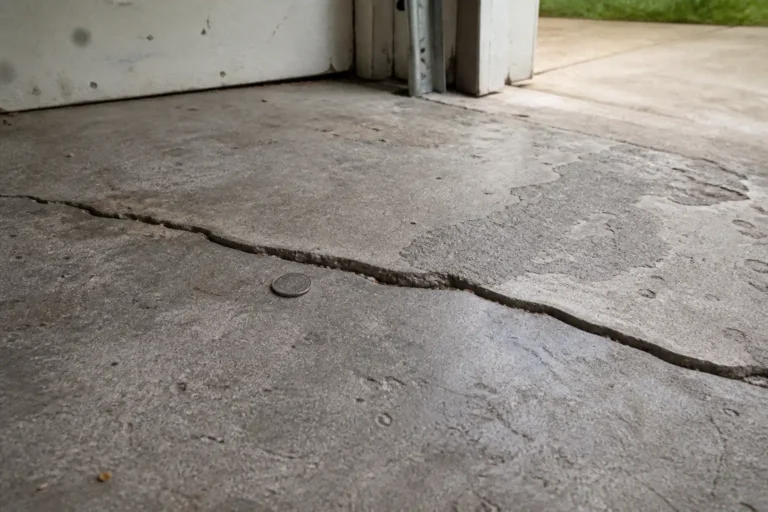
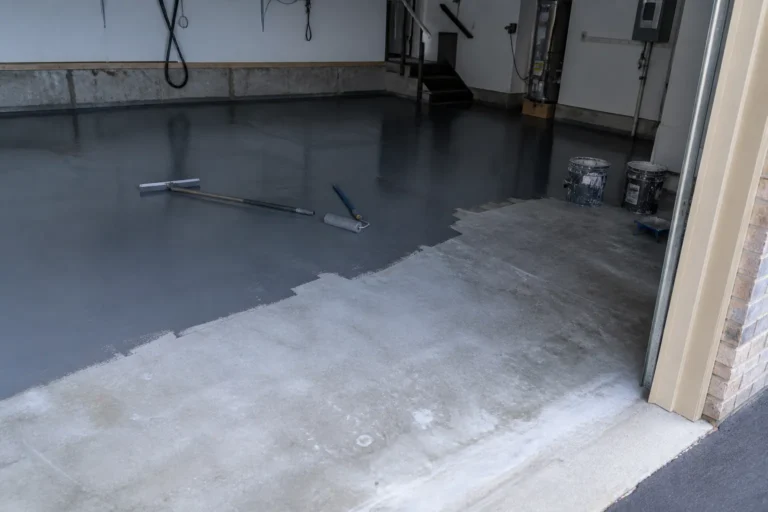
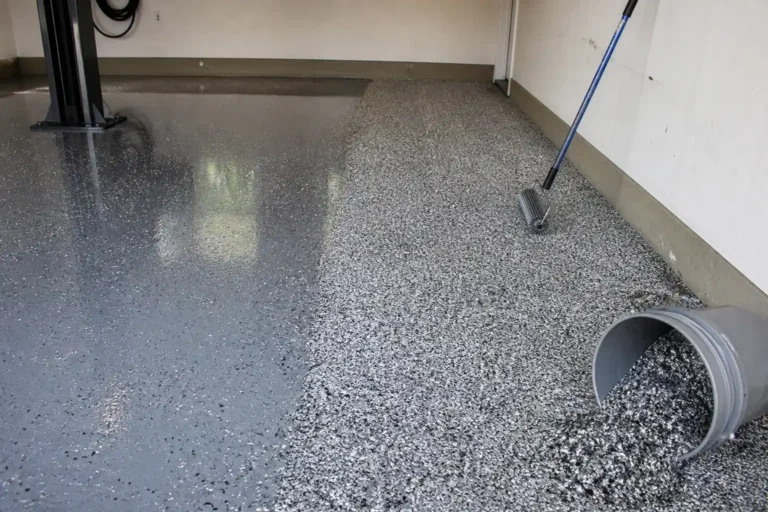
Installation begins with evaluating and preparing the concrete. The surface is mechanically profiled, repairs are completed as needed, and the coating layers are applied according to the system. Decorative flakes and a protective topcoat may be included for added texture and finish options.
Setting realistic expectations
Fast curing does not eliminate the need for good preparation. Moisture, existing coatings, oil contamination, and slab repairs still influence the installation plan. The exact color, texture, and return-to-service timing should be discussed before the project begins.
Alpharetta Floor Coating can help determine whether a polyurea system fits your space and daily use.
How it compares
Polyurea is known for fast curing and strong performance. That speed can reduce the time a space is out of use. It also means the crew must work quickly and carefully, because the material sets fast. Experience matters.
Where polyurea fits
It is often used in garages, shops, and commercial spaces where downtime is costly. It can also be part of a system with a decorative flake or a protective topcoat. Ask your installer whether polyurea is the base, the topcoat, or both.
What to ask
- How will the concrete be prepared?
- Which layers are in the system?
- How will moisture be checked?
- When can I walk and drive on the floor?
- What does the warranty cover?
Clear answers show that the installer has a plan and understands the product.
Setting realistic expectations
Polyurea is a strong, fast-curing material, but it is not magic. It still depends on a clean, sound, properly prepared slab. It still needs the right conditions during install. And it still needs regular cleaning. Be wary of any promise that sounds too good to be true. Ask for details and a written plan instead.
How to compare proposals
Ask each company to list the layers, the product names, the prep method, and the warranty. Then compare them side by side. A lower number may mean fewer steps, and a higher number may include more work. Know which one you are paying for.
Common uses
Polyurea shows up in garages, workshops, warehouses, and commercial spaces. It is often chosen where speed matters, such as a business that cannot close for long. It also appears in decorative flake systems and as a protective topcoat.
Care after install
Treat it gently for the first days, then keep it clean with a soft broom and a mild cleaner. Rinse spills quickly, use mats under heavy items, and check the floor once in a while for chips or dull spots.
A word on conditions
Polyurea sets fast, so temperature, humidity, and moisture in the slab all matter on the day of the job. Ask how the crew tests and checks conditions before they spray or pour. A careful crew will stop and wait if conditions are not right.
Seams and edges
Ask how the edges, joints, and transitions will be treated. These are the places where coatings often fail first, so a clear plan helps.
Common questions
Is it good for garages? It can be, when the slab is prepared well and the system fits your use.
Does it need a topcoat? Many systems include one for wear and light resistance. Ask what is planned.
How do I clean it? Sweep often and wash with a mild cleaner.
Check the paperwork
Keep the product data, the install date, and the care guide together. They make future repairs and warranty questions easier to handle.