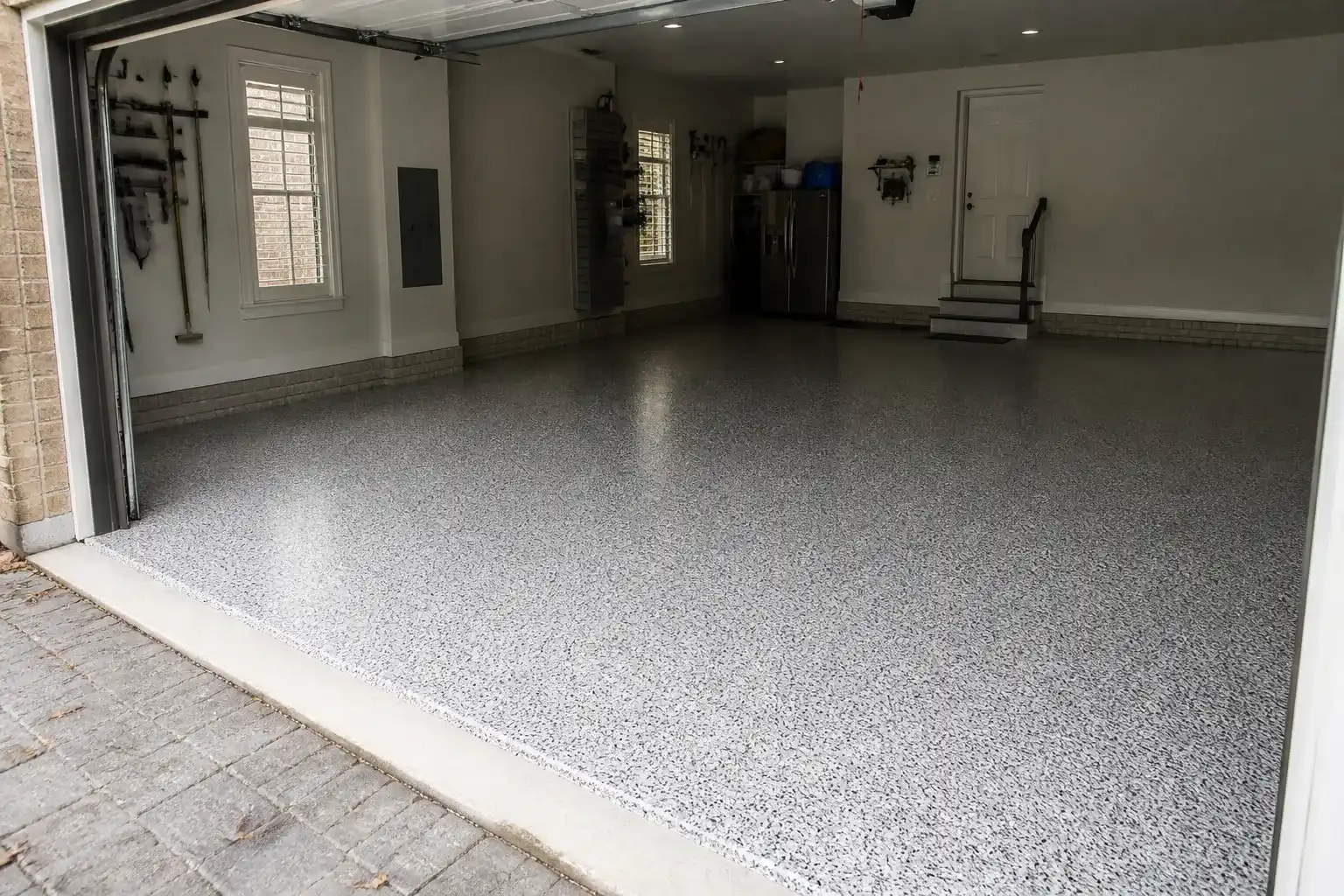
Alpharetta Floor Coating installs garage, concrete and industrial floor coatings for homeowners and businesses across Alpharetta, GA. A commercial floor coating is more than a cosmetic update. It can help create a cleaner, more durable surface for employees, customers, equipment, and daily operations. The best system starts with how the space is actually used.
Understand the traffic and exposure
Consider foot traffic, carts, vehicles, dropped tools, chemical exposure, moisture, and cleaning routines. A retail back room, automotive workspace, warehouse aisle, and commercial kitchen support area can have very different demands.
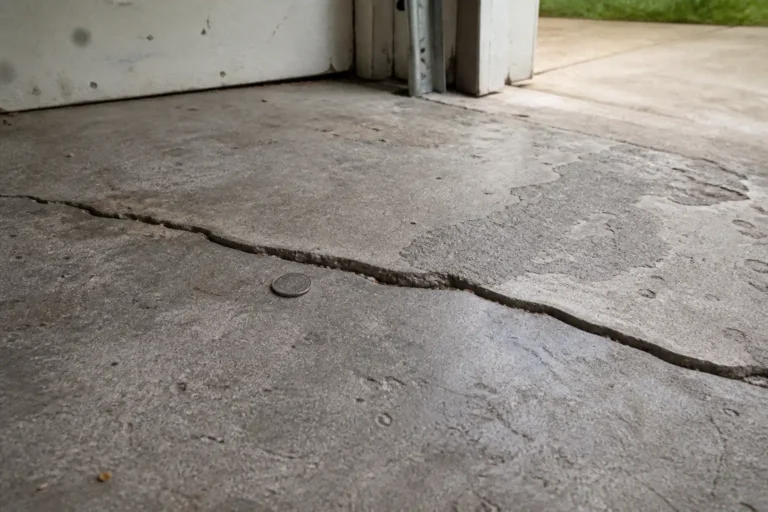
Evaluate the existing concrete
Cracks, spalling, previous coatings, oil residue, and moisture all affect the preparation plan. A detailed site assessment helps identify what needs to be repaired or removed before a new coating can be installed.
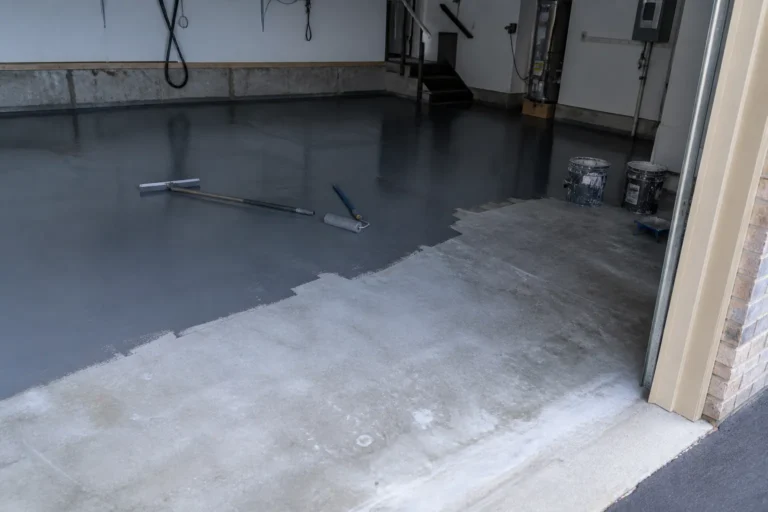
Plan around downtime
Installation schedules and cure times should align with your operations. Some high-performance systems can reduce downtime, but each project needs a realistic plan for preparation, application, and return to service.
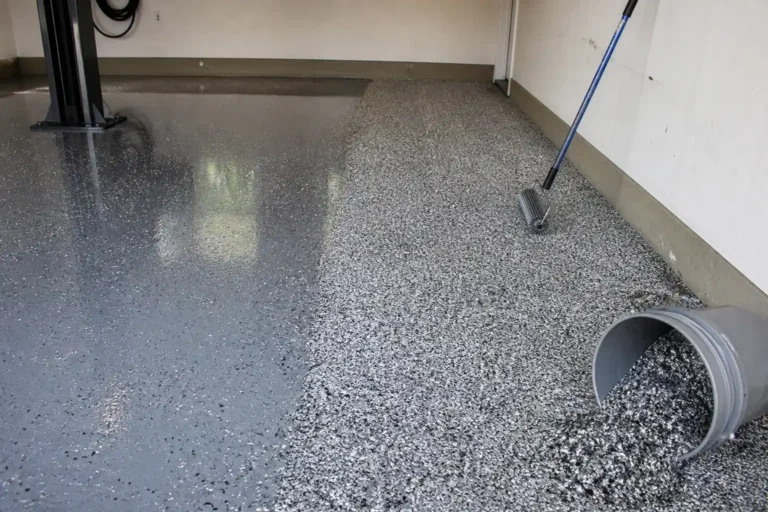
Prioritize cleanability and safety
Choose a finish that supports your maintenance routine and the needs of people using the space. Texture, color, transitions, and slip-resistance requirements should all be discussed before work starts.
Get a system tailored to the space
Alpharetta Floor Coating works with local businesses to assess concrete conditions and recommend practical coating solutions for commercial floors.
Plan for downtime
A business cannot always close for days. Ask for a schedule that fits your hours. Some projects can be done in phases, or on nights and weekends. Fast-curing systems can help reduce the time a space is out of service. Share your deadlines early.
Safety and traction
Commercial floors need to be safe for customers and staff. Ask about slip-resistant finishes, especially in areas that get wet. Clear markings and a consistent surface also help with safety in busy spaces.
Cleaning and daily use
A coated floor is easier to sweep and mop than bare concrete. Think about the cleaning tools and chemicals your team uses, and ask whether the system handles them. Check forklift or cart traffic as well, since heavy wheels can wear a floor faster.
Questions to ask
- How will the slab be prepared and tested?
- How long will the space be out of use?
- What finish gives the best traction?
- What does the warranty cover?
Think about the whole floor plan
Commercial spaces often have different zones. A showroom, a work area, a loading dock, and a restroom each need different things. Talk through each zone with your installer so the floor fits the use. Ask about drains, control joints, and transitions between different surfaces.
Maintenance after the job
Ask for a cleaning guide for your staff. A simple schedule for sweeping, mopping, and checking for damage helps the floor last. Keep records of repairs and cleaning products in case you need to make a warranty claim later.
Common questions
Can work happen after hours? Many projects can be scheduled around business hours. Ask early.
How long will the space be closed? It depends on the system and the size. Ask for a written schedule.
What about heavy carts or forklifts? Tell the installer so they can choose a system for that wear.
Plan for the long term
A commercial floor is a business tool. Think about how the space may change over the next few years and choose a system that can handle growth and new uses.
Consider your staff and customers
Think about who walks on the floor. Customers, delivery drivers, and staff each use the space differently. A floor that looks good but is slippery in wet weather is a liability. Ask your installer about grip and cleaning for each zone.
Keep records
Ask for the product names, the layers used, the install date, and the care guide in writing. Those records help with maintenance and any warranty claim in the future.
Phase the project if needed
Large spaces can often be done in sections so part of the business stays open. Ask whether phasing is an option, how the sections will be separated, and how traffic will be routed. A clear plan keeps customers and staff safe during the work.
Review after the first month
Walk the floor with your installer after a few weeks. Check for any lifting, dull spots, or wear in high-traffic lanes. Early feedback helps catch small issues before they grow.