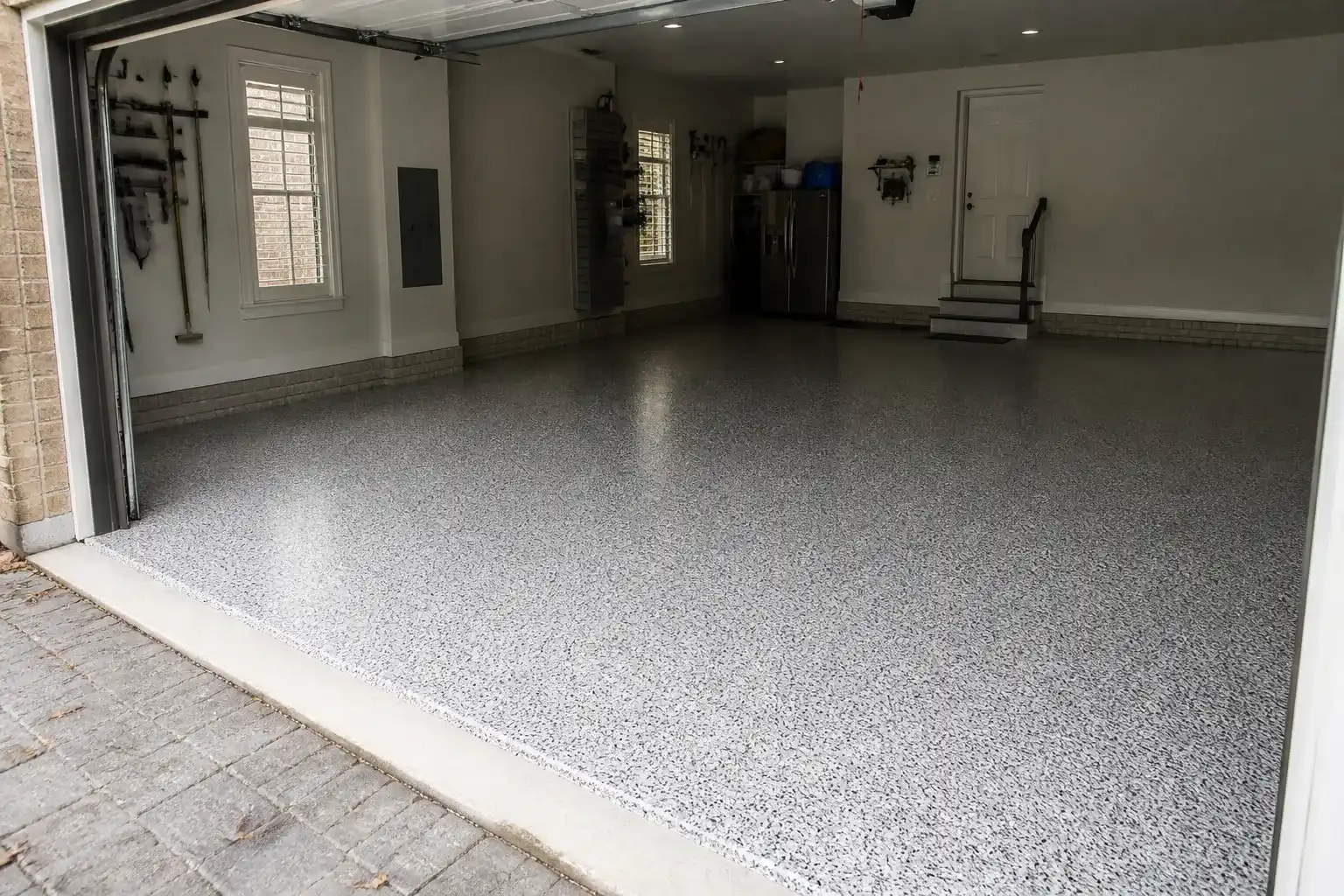
Alpharetta Floor Coating installs garage, concrete and industrial floor coatings for homeowners and businesses across Alpharetta, GA. In many cases, a cracked or damaged concrete floor can be coated. The key is not simply covering the damage. It is identifying why it happened and completing the right repairs before the coating goes down.
Not all cracks are the same
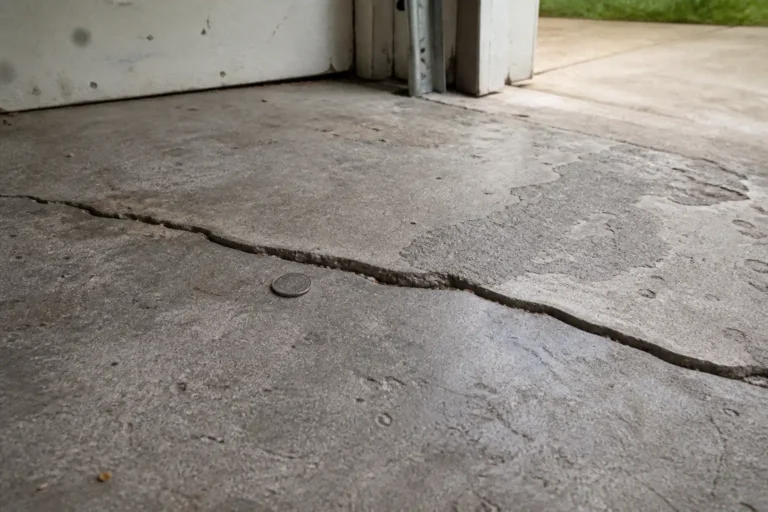
Hairline shrinkage cracks are common in concrete and may be repairable before coating. Wider cracks, uneven slab sections, or cracks that continue to move can need a different approach. A coating may improve appearance, but it cannot stop structural movement beneath the surface.
Common repairable conditions
- Minor surface cracks
- Small pits and spalled areas
- Chips at edges or control joints
- Old stains after proper cleaning and preparation
When to investigate further
Seek an evaluation when cracks have height differences, water regularly enters the slab, the concrete is soft or crumbling, or cracks keep growing. Those signs may point to drainage, moisture, settlement, or structural concerns that should be addressed first.
How repairs fit into the coating process
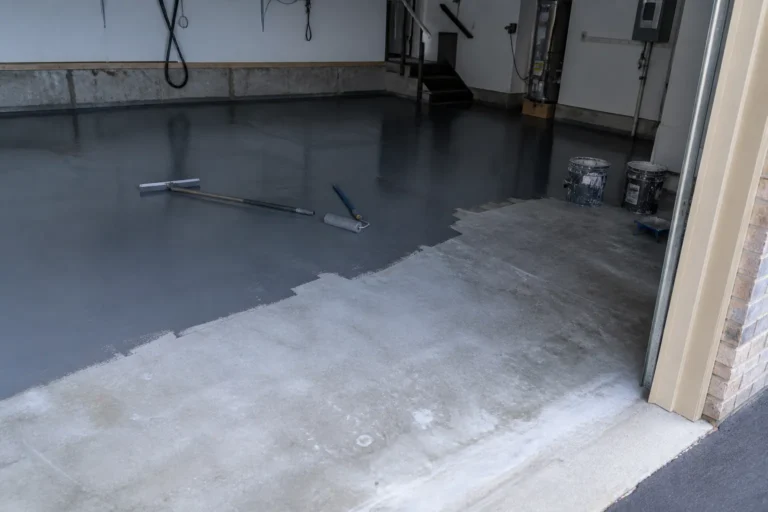
After preparation, installers use compatible repair materials to fill and stabilize suitable cracks and surface defects. The repaired area is then finished and prepared as part of the overall coating process. Some repairs may remain faintly visible depending on the floor system and damage pattern.
Alpharetta Floor Coating can assess your garage, patio, basement, or workspace concrete and explain the practical repair and coating options.
Know the kind of crack
Thin hairline cracks are common as concrete cures and are often cosmetic. Wider cracks, cracks that keep growing, or cracks where one side sits higher than the other can mean the slab is moving. Those need a closer look before anyone coats the floor.
How repairs are done
A typical repair cleans the crack, fills it with a suitable material, levels it, and then grinds the area so it blends in. Spalled or crumbling areas are removed and patched. The goal is a solid, flat surface that the coating can bond to.
Repairs can still show
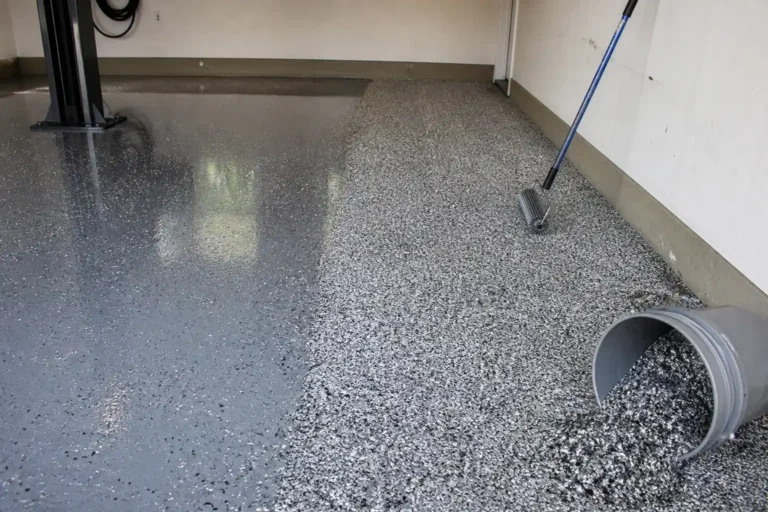
Even a careful patch can show through a thin or glossy coating. Flake or textured finishes can help hide it. If you want a perfectly smooth look, tell your installer so they can plan for it.
When to ask for more help
If cracks keep growing, if the floor has sunk, or if water comes through the slab, ask for an assessment first. A coating cannot stop a slab from moving, and it should not be used to hide a bigger problem.
What to tell your installer
Share when you first noticed the crack, whether it has grown, and whether the area has had water. If you have photos from earlier, bring them. This history helps your installer decide whether a simple repair is enough or whether the slab needs a closer look.
Setting realistic expectations
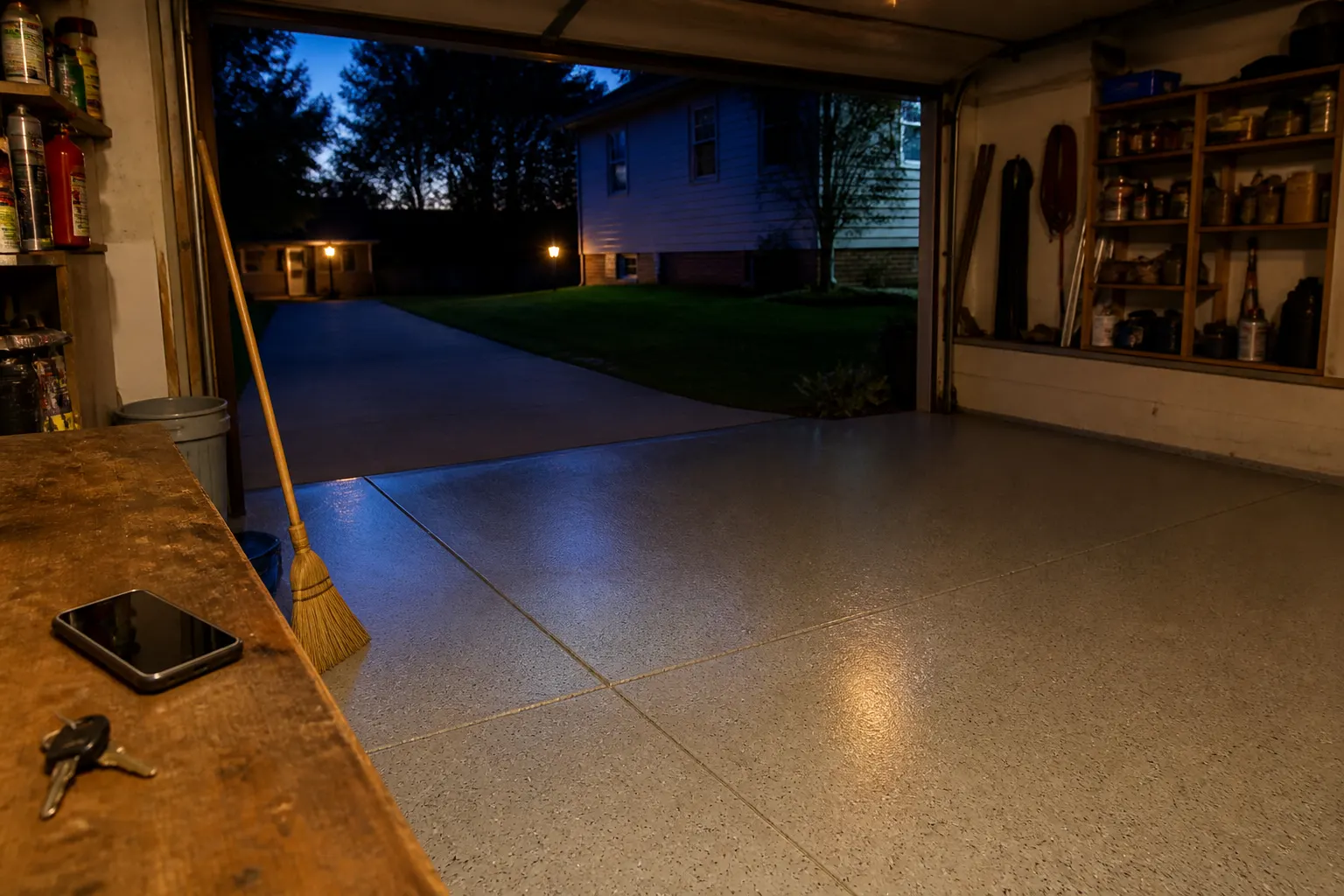
A coating can make a repaired floor look uniform and easier to clean. It cannot make a moving slab stop moving. If a crack keeps returning, the cause has to be found and fixed. Honest installers will tell you this up front instead of promising a perfect result.
Photos and notes help
Take clear photos of cracks and chips with a coin beside them for size. Write down when you first saw them. If the crack changes, take another photo. This record helps your installer judge the problem, and it helps you notice if it is moving.
Do not guess
If you are unsure whether a crack is minor or serious, ask. A short visit is much cheaper than a coating that fails because a hidden problem was missed.
Fixing the cause first
If a crack came from settling, water, or a problem under the slab, a coating will not stop it from coming back. Ask a professional whether the cause needs attention first. Fixing drainage, for example, can protect both the slab and the new floor.
A note on joints
Control joints are placed in a slab on purpose, to guide where cracks form. Your installer will explain how they should be treated in a coating plan so the floor can move a little without damage.
Ask for a repair sample
If you are worried about how a repair will look, ask to see a patched area from another job. Seeing the result in person helps you decide whether the finish suits you.